
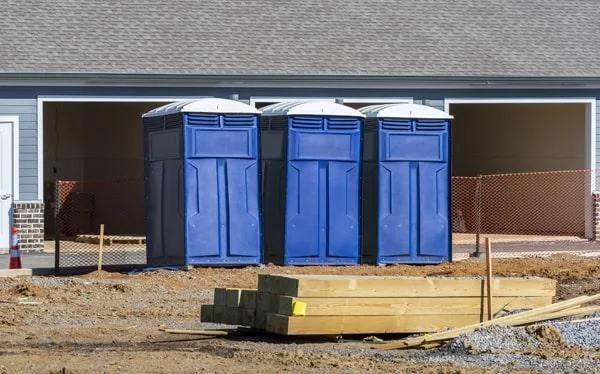
Toilet and washing equipment for the worksite
A standard jobsite cabin contains waste in a holding tank and provides a private place to use the toilet. Describe how far workers are from usable building bathrooms and which shifts overlap when discussing quantity. Washing is a separate function unless the quoted equipment includes it; a wash station needs clean water, soap, drying supplies and used-water care. Raise accessible-use requirements when choosing the model and approach.
The rental should cover the working period and the agreed provider visits, not just initial placement. Confirm cleaning, tank emptying, supplies and the contact for problems or an extension. A cabin remaining on the site cannot stay useful if the provider loses access to service it; keep that continuing route in the layout as the work progresses.
Reserve the route as well as the space
A toilet can remain easy for workers to reach while a service vehicle can no longer approach it. Treat the continuing service route as part of the jobsite layout from the first delivery.
Show the site lead where the standard cabins and washing equipment will sit, how workers reach them and how the provider will service them. Explain restricted entrances and vehicle movements before agreeing a location.
Mark the practical route in the delivery brief. Avoid using the same area for temporary storage without checking the impact on future service. The equipment footprint alone cannot establish how much working space a visit requires.
Give changing teams one set of instructions
A new fencing contractor, material delivery or revised parking plan can block the route unintentionally. Make the facilities contact part of those conversations and tell the provider about a material change before the next visit.
Keep responsibility for keys and gates explicit. If access cannot be provided, contact the provider to agree the next action rather than assuming a missed visit will automatically be replaced.
Review use and condition together
Look at supply levels, approach condition and reported problems during normal site checks. Leave tank servicing, chemicals, repairs and lifting to the agreed provider arrangement. Handwashing water and used-water handling also need an identified responsible party.
Confirm the rental period, service scope and collection access in writing. When the job ends, clear the agreed route and arrange removal; workers leaving does not itself schedule pickup or end the equipment period.
Questions before you book
What if a delivery blocks the service route?
Tell the site lead and provider promptly. Restore the agreed access or have an alternative arrangement approved; do not direct the driver onto an unassessed route.
Does a longer rental include extra servicing?
Confirm the service frequency and change terms in the proposal. Rental length and actual use both matter.